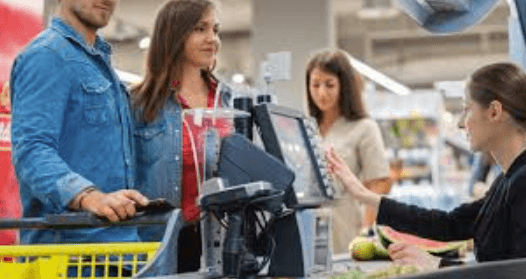
Technology underpins efficient retail operations by linking real-time inventory, automated checkouts, and predictive analytics. Stores, warehouses, and online channels share visibility to reduce stockouts and honor promises. Automated checkouts lower handling time and labor costs, while cashierless options push throughput further. Predictive analytics guide demand, staffing, and capacity. Omnichannel orchestration ensures consistent experiences across touchpoints. Strong data governance keeps operations compliant, enabling smarter decisions—and the next question becomes how to scale these capabilities effectively.
How Real-Time Inventory Feeds Drive Fulfillment
Real-time inventory feeds are the backbone of modern fulfillment, enabling synchronized visibility across all touchpoints—from stores to warehouses to online marketplaces. This constant data flow informs allocation, reduces stockouts, and improves service levels.
Inventory accuracy supports reliable customer promises, while data governance ensures consistency, traceability, and compliance across systems, delivering freedom through trust in actionable, transparent insights.
Automating Checkout to Cut Handling Time
Automating checkout processes trims handling time by eliminating repetitive manual steps and speeding transaction flow.
Retailers implement automation checkout to reduce queue lengths, improve throughput, and lower labor costs, while maintaining accuracy.
Data shows higher customer satisfaction when wait times drop below thresholds.
Cashierless stores exemplify this shift, leveraging sensors and biometric toggles to streamline purchases without compromising security or visibility into operations.
Predictive Analytics for Demand and Ops Planning
Predictive analytics for demand and operations planning helps retailers anticipate fluctuations in sales, inventory needs, and staffing with data-driven foresight. By integrating historical data, real-time signals, and scenario modeling, organizations improve demand forecasting accuracy and adjust capacity planning proactively.
The approach reduces stockouts, overstock, and labor inefficiencies, empowering informed decisions, resilient supply chains, and freedom to reallocate resources as conditions shift.
Omnichannel Orchestration: Seamless Customer Experiences
Omnichannel orchestration coordinates how customers interact with a retailer across stores, websites, apps, and support channels to deliver a consistent, timely experience. Data-driven frameworks map touchpoints, inventory, and messaging, enabling real-time decisioning. Practical implications include unified CRM, flow automation, and measurable KPIs. When executed well, omnichannel orchestration yields seamless customer experiences and increased completion rates without sacrificing autonomy or speed.
Frequently Asked Questions
How Secure Are Retail Data Integrations Across Platforms?
Data integrations across platforms vary, but security protocols and data encryption significantly mitigate risk; nonetheless, platform interoperability challenges remain. A disciplined approach, continuous monitoring, and regular audits are essential for maintaining resilient retail data ecosystems.
What’s the ROI Timeline for Tech-Enabled Efficiency Gains?
A notable stat shows ROI timelines often compress to 12–18 months as automation scales. The analysis indicates ROI timelines for tech-enabled efficiency gains accelerate with data integration, while efficiency gains persist beyond initial payback, shaping long-term profitability and freedom.
How Do Small Retailers Scale Tech Solutions Affordably?
Small retailers scale tech affordably via modular solutions, cloud-based tools, and staged deployments. Emphasizing scaling affordability—coupled with vendor partnerships—reduces upfront risk, leverages shared support, and data-driven pilots guide cost-effective expansion for freedom-seeking operators.
Can Tech Reduce Employee Training Time and Errors?
As the data suggests, tech can reduce training time and errors, enhancing training effectiveness and lowering operational risk. It offers scalable, autonomous guidance, empowering staff to learn-on-demand while delivering measurable error reduction and practical, freedom-loving efficiency.
See also: What Is DeFi and Why Is It Popular?
How Does Technology Impact Store Staff Job Satisfaction?
Technology can improve store staff job satisfaction by reducing repetitive tasks, enabling precise scheduling, and supporting joyful leadership; data shows higher engagement when systems streamline workflows, provide transparent expectations, and empower employees with autonomy while maintaining consistent service standards.
Conclusion
In sum, real-time inventory feeds illuminate fulfillment paths, automate checkout accelerates flow, and predictive analytics anchor demand with disciplined planning. Omnichannel orchestration ties touchpoints, inventory, and messaging into a cohesive customer journey. Data governance ensures trust and compliance, enabling scalable operations. Retail teams gain measurable efficiency, lower stockouts, and shorter cycle times. Executives see clearer promises, stronger margins, and resilient operations. Retailers enact proactive staffing, precise capacity, and informed investment, while customers experience consistent, reliable service at every channel.
