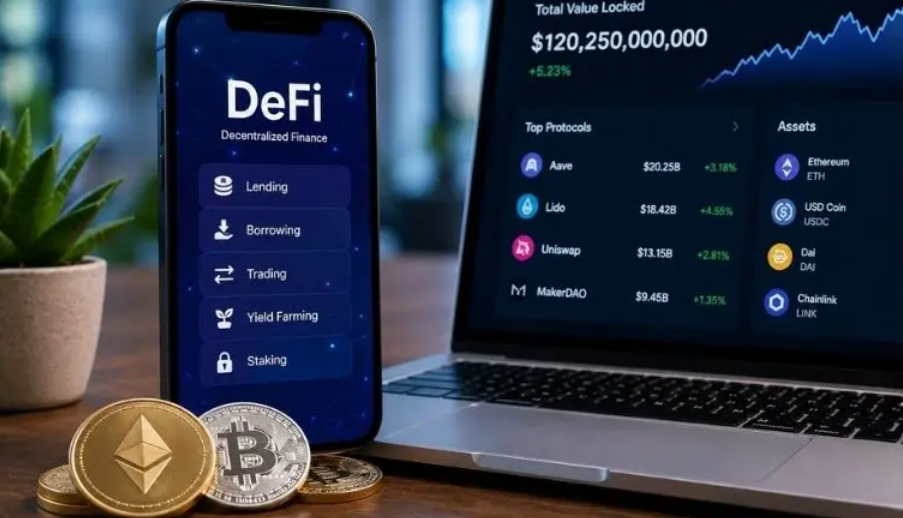
DeFi is a blockchain-based system that aims to remove centralized intermediaries from financial activities. It relies on liquidity pools, automated market makers, oracles, and governance tokens to enable peer-to-peer and programmable transactions. Its appeal lies in potential lower costs, faster settlement, and broader access, but these promises sit against questions of systemic risk, regulatory ambiguity, and misuse. The tension between innovation and safeguards invites further scrutiny, and the topic invites a closer examination of what comes next.
What Is DeFi? A Simple Definition
DeFi, short for decentralized finance, refers to financial services built on blockchain networks that operate without centralized intermediaries. It is defined by open protocols, peer-to-peer interactions, and programmable logic rather than banks. Its promise—greater control and transparency—clashes with cryptocurrency safety concerns and regulatory uncertainty, inviting scrutiny.
Skeptics note systemic risk, composability bugs, and misaligned incentives that threaten freedom without protections.
See also: What Is Decentralized Storage?
Why DeFi Is Catching On Now
The appeal of DeFi today stems from practical gaps in traditional finance: slower settlement times, opaque fees, and narrowed access.
In this light, DeFi’s momentum reflects a search for crypto sustainability amid uneven oversight.
Yet skepticism remains: growth must prove resilience, not novelty.
Regulatory clarity could unlock trust, while misuse risks persist, challenging enthusiasts to balance freedom with safeguards.
The Core Components Powering DeFi Protocols
From the vantage of practical finance, DeFi protocols rest on a handful of interoperable components that together enable permissionless lending, trading, and yield generation. Core elements include liquidity pools, automated market makers, oracles, and governance frameworks. Revenue models hinge on fees and protocol incentives, while governance tokens encode influence, balancing decentralization with accountability. Skepticism remains about centralization risks and potential misalignment of incentives.
What’s Next for DeFi: Risks, Rewards, and How to Get Involved
What’s next for DeFi involves weighing potential gains against salient risks and outlining practical paths for involvement.
The landscape presents measurable rewards, yet exposure to privacy concerns remains real as data traces and on-chain activity create audit trails.
Regulatory implications loom; compliance demands may shift design and access.
Thoughtful participation requires skepticism, safeguards, and deliberate selection of transparent, verifiable, decentralized options.
Conclusion
DeFi promises a fearless future of open finance, where control, transparency, and 24/7 markets supposedly rule. Yet the reality is more nuanced: clever protocols, noisy incentives, and the ever-present risk of exploits disguise themselves as innovation. Skeptics aren’t resisting progress; they’re reading the fine print. If you insist on riding the wave, do so with quiet due diligence and a stiletto-sharp awareness of how quickly “trustless” can become “risk-laden.” Irony aside, the platform still speaks for itself.
